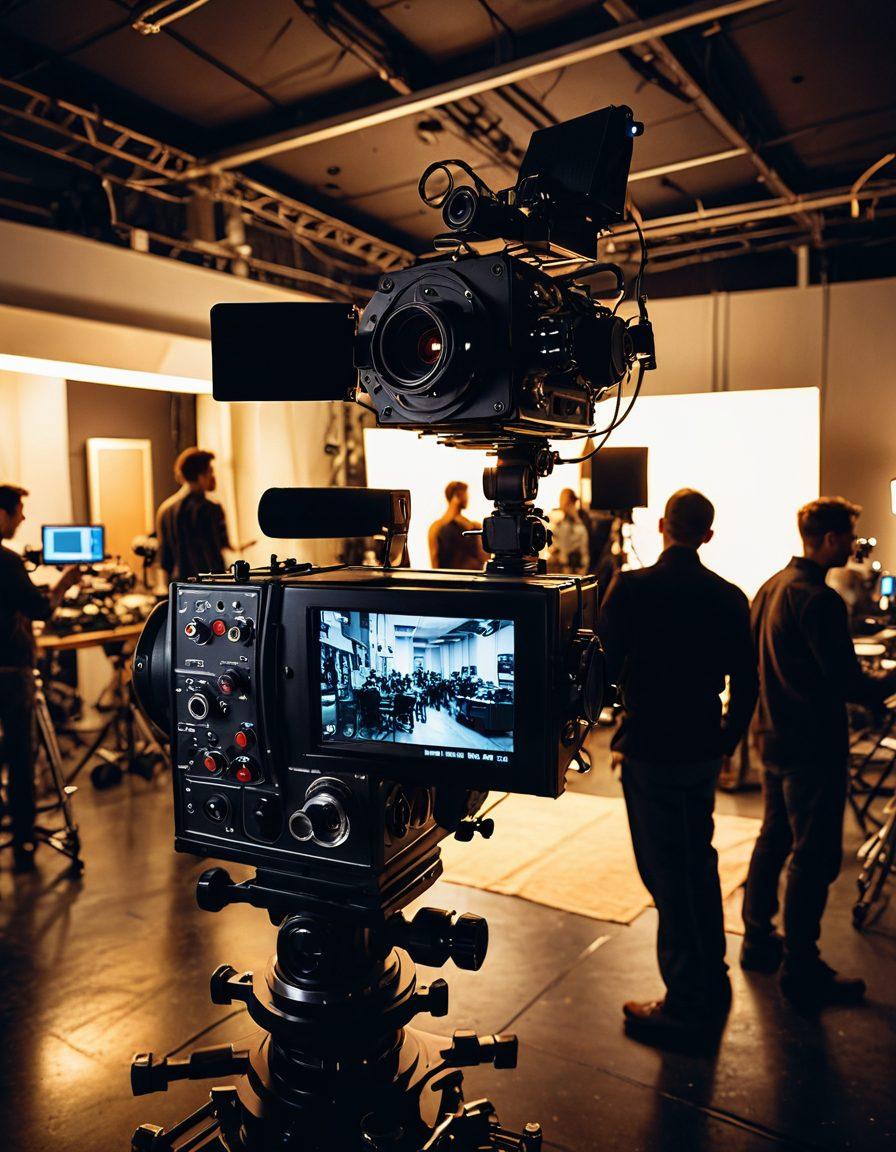
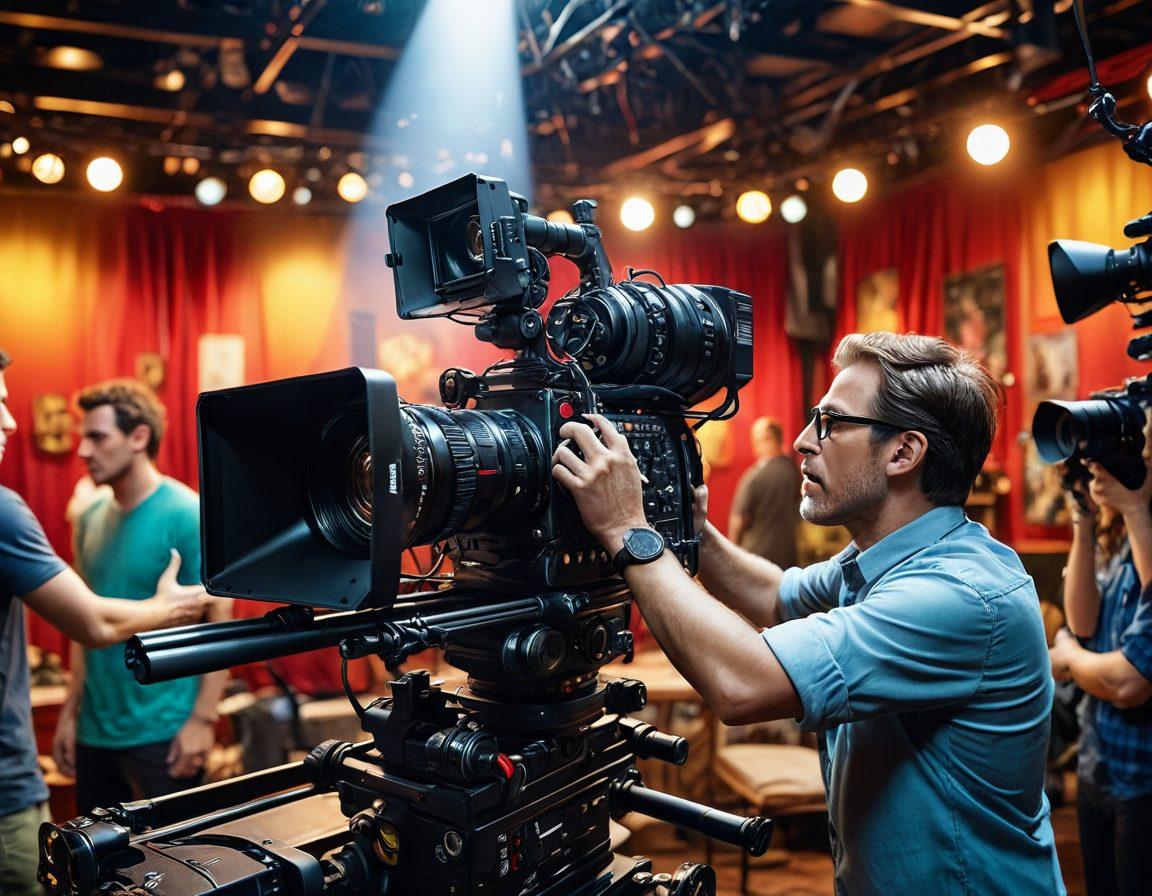
Unlocking the Secrets: The Art and Techniques of Modern Cinematography
Imagine stepping onto a film set, the smell of fresh paint on set designs mingling with the scent of anticipation. Lights cast intricate shadows, and everything is meticulously crafted to stir your emotions. This magic is the result of expert cinematographic arts. The art of cinematography is a monumental aspect of filmmaking, where every frame is a canvas painted with light, color, and motion. In this post, we’ll explore techniques that can elevate the look and feel of your motion pictures to make them unforgettable. Ready to unlock the secrets behind mastering the cinematic palette? Let’s dive in.
The first technique aspiring filmmakers must master is lighting. Cinematographers are often referred to as 'painters of light,' and for good reason. The way you use light can transform an ordinary scene into something extraordinary. Think about how soft lighting can evoke intimacy, whereas harsh lighting might create tension. Legendary cinematographer Roger Deakins once said, 'I think lighting is the most important thing. In film, it is absolutely essential.' Whether it’s natural lighting streaming through a window or the neon glow of a cityscape, mastering light manipulation is crucial to create mood and emotion in your films.
Next, let’s talk about color grading – the hidden gem of post-production. Using color grading, filmmakers can unify the visual tone of their movies, add depth to the storyline, and draw viewers into the cinematic experience. Each hue and shade can convey layers of meaning. For instance, warm tones of orange and red might symbolize passion or danger, while cool blues and greens can evoke calm or desolation. The visual storytelling aspect here is not just backdrop but an integral part of the narrative. Have you ever noticed how Wes Anderson’s films employ a deliberate color scheme to reinforce whimsical yet poignant worlds? That's the power of color grading.
Composition is another pillar in the realm of cinematographic arts. The way a scene is framed can guide the audience’s focus and amplify the storytelling. Masterful composition involves understanding the rule of thirds, symmetry, and the unique storytellings that different angles can provide. Iconic filmmakers like Alfred Hitchcock were meticulous about framing to heighten suspense and direct viewers' emotions through the visual storyline. By carefully planning each shot, you can control what the audience sees and feels, making your motion pictures more engaging and visually stunning.
Lastly, innovation is key in modern movie production. In an era where the boundaries of what's possible in films are continually being pushed, staying updated with film news, movie festivals, and the latest cinematic techniques is vital. Tools like drones for aerial shots or digital effects for mind-bending scenes are no longer exclusive to large studios but are accessible to independent filmmakers as well. By blending traditional cinematographic skills with new-age technology, you create films that are both rooted in classic storytelling and enriched with contemporary creativity. Engage actively with film criticism and movie reviews to see what works and what resonates with audiences. Remember, the heart of filmmaking is in telling stories that matter, visually captivating and emotionally gripping.
In conclusion, mastering the cinematic palette is no easy feat, but the effort is worthwhile. Every aspect of cinematography – from lighting and color grading to composition and innovation – plays a crucial role in creating motion pictures that linger in the minds and hearts of audiences long after the credits roll. Whether you’re an aspiring filmmaker working on short films or a seasoned director making waves in major movie festivals, these techniques are timeless skills that can elevate your craft. The art of filmmaking isn’t just about shooting; it’s about dreaming and building worlds that captivate the imagination. So, next time you pick up a camera, remember you’re not just capturing scenes; you’re painting with light, color, and emotions.
Behind the Lens: The Evolution and Impact of Modern Cinematography
If you’ve ever sat in a darkened theater, completely entranced by what unfolds on the giant screen, you’ve experienced the magic of modern cinematography. But have you ever paused to wonder about the mechanics of that magic? The flickering images that move us to laughter, tears, and profound insights are the result of a meticulous and evolving art form. The journey of cinematography, from the early days of silent films to today’s CGI-enriched epics, is a tale as captivating as any movie plot.
Cinematography has come a long way since the days when the Lumière brothers astounded audiences with moving pictures. Today’s filmmakers wield advanced technology and innovative techniques to bring their visions to life. Whether it’s the lush landscapes of 'The Revenant' or the dystopian neon of 'Blade Runner 2049', each frame is crafted to evoke a specific emotional and aesthetic response. But it’s not just about the eye-catching visuals; it’s about creating an immersive experience that pulls viewers into the story. Can you imagine 'Inception' or 'Interstellar' without their stunning visual storytelling?
The evolution of cinema is also a story of technological advancements. From the introduction of Technicolor, which revolutionized the film industry, to computer-generated imagery (CGI) that allows filmmakers to create entire worlds, the tools at a cinematographer’s disposal have dramatically expanded. Today, digital cameras and advanced editing software play pivotal roles in movie production. As Steven Spielberg once said, 'Every time I go to a movie, it's magic, no matter what the movie’s about.' That magic is rooted in the blending of cutting-edge technology with timeless storytelling.
However, the art of filmmaking isn't solely reliant on technology. The human element remains crucial—consider the directors, actors, and technical crew who collaborate to bring a script to life. With new film techniques continually emerging, roles such as screenwriting and directing become even more dynamic. Directors like Christopher Nolan and Quentin Tarantino are renowned for their unique cinematic techniques, which often set the tone for entire genres. This collaborative effort is the foundation upon which unforgettable movies are built, from blockbuster hits to cherished independent films.
In today’s fast-paced media landscape, staying updated on the latest movie news and film reviews is more accessible than ever. Film criticism offers a deeper understanding of cinematographic arts, illuminating the nuances that make a film impactful. Whether it’s through the glitz of movie festivals or the intimate viewing of short films and documentaries, the cinematic world continues to captivate audiences. As you next sit down to watch a film, remember to appreciate the intricate dance behind the lens that makes those moving pictures resonate deeply with us. After all, the beauty of film is that it reflects the complexities of life itself, played out in stories that touch our very souls.
From Script to Screen: The Integral Role of Cinematography in Film Production
In the world of film production, the journey from script to screen is a fascinating metamorphosis, one that harnesses the magic of cinematography to create visually compelling stories. Imagine the first draft of a screenplay as a rough diamond. It’s the role of cinematographers, directors, and the supporting cast to polish that diamond until it shines brightly on the silver screen. This transformation is not merely a technical process but an art form deeply embedded in the heart of filmmaking.
Cinematography, often referred to as the painting of motion pictures, begins its journey the moment the script is born. As soon as the script lands in the director's hands, the collaboration between the scriptwriter, director, and the cinematographer ignites. What makes a scene leap out from the pages of a script and resonate with audiences in cinemas around the world? It's the symphony of lighting, camera angles, movement, and the subtleties of visual storytelling orchestrated by the cinematographer. Remember watching a movie and feeling your heartbeat synchronize with the protagonist’s? That’s cinematography at its finest.
One compelling illustration of the power of cinematography is found in the classic 'The Godfather'. Gordon Willis, the cinematographer known affectionately as the 'Prince of Darkness' for his masterful use of shadows, turned a mob family saga into a timeless cinematic masterpiece. Have you ever lain awake wondering how actors can evoke such raw emotion on screen? It’s through meticulous planning, lighting techniques, and camera work that the scene’s true emotion is captured. Filmmaking requires this delicate balance between technical knowledge and artistic intuition.
Cinematic techniques such as these do not emerge in isolation. Instead, they develop through shared knowledge and innovation within the film industry. Aspiring cinematographers and directors often find inspiration and education at film festivals. Here, independent films and documentaries showcase groundbreaking cinematographic arts that challenge and redefine conventional movie techniques. Filmmakers attending such festivals frequently engage in lively discussions, sharing film criticism and praise, learning and pushing each other toward greater heights. It's these arenas where the seeds of future film stars are often planted.
The journey of bringing a script to life does not end with the final cut. Once completed, films embark on an odyssey through media channels and film reviews, where they are scrutinized and celebrated. This discourse, whether positive or negative, is crucial for the ongoing growth of cinematic arts. For every movie review or film criticism that dissects a motion picture’s flaws or triumphs, a new wave of learning is embraced within the community. This perpetual cycle ensures that the art and techniques of modern cinematography continue to evolve, securing their pivotal role in the enchanting world of motion pictures.